
The Tudors come to Lichfield – by Tracy Borman
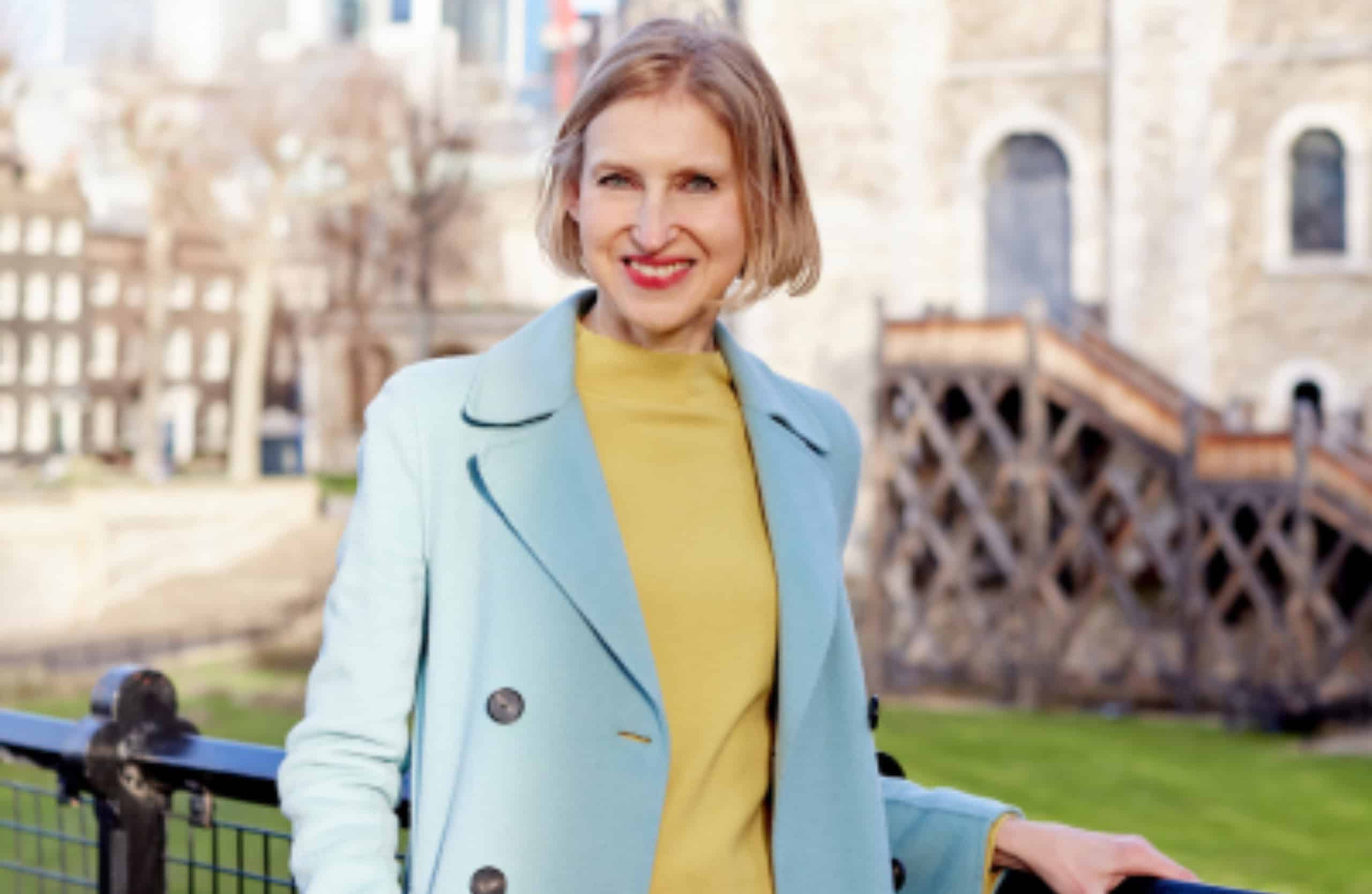
Why are we all so obsessed with the Tudors? It is a question I’m asked even more times than which of Henry VIII’s wives did he love the most or whether his daughter Elizabeth I really was the Virgin Queen. In part, the answer is obvious: in the long history of the British monarchy, it is hard to find any other dynasty that delivers as much spectacle, magnificence and downright drama as the Tudors.
Love them or loathe them, there’s also the undeniable fact that the larger-than-life kings and queens who ruled during that 118-year period changed the face of England forever. Henry VIII’s break with Rome ushered in a religious revolution, establishing the Church of England and destroying every last vestige of the old Roman Catholic faith – the monasteries included. There was a similar revolution in government, a huge increase in overseas trade, the emergence of an empire upon which, in future centuries, the sun would never set, and a golden age of art and culture, with the likes of William Shakespeare penning plays that are still performed to packed theatres the world over.
Impressive though all that is, it doesn’t quite get to the heart of why the Tudors still hold a magnetic appeal for us today, more than 400 years after Elizabeth I’s death. For me, that has more to do with the fact they seem within touching distance. This in turn is thanks to the explosion of documentary material that followed in the wake of the printing press and, even more, to the dazzlingly realistic portraits and other works of art ushered in by the Renaissance.
Hans Holbein the Younger was the most brilliant painter of the age. His portraits of the Tudor monarchs and their courtiers open up a window into a lost world: the sumptuous costumes, dripping with priceless jewels; the rich tapestries and garishly-painted interiors; and, above all, the personalities of the kings, queens, heirs, favourites, churchmen, ministers and servants. He is the Tudor equivalent of a court photographer.
One of Holbein’s most celebrated paintings (and certainly his largest) is The Ambassadors, painted in 1533 – arguably the most important year in Tudor history, when Anne Boleyn became queen and her daughter, the future Elizabeth I, was born. Laden with hidden symbols, clues and mysteries, it has been the subject of intense debate among historians during the five centuries since it was created. And it will be the subject of my two talks at this year’s Lichfield Festival so I hope to see you there!
But there are even more Tudor treats in store this year, including the incomparable Alison Weir, Britain’s best-selling female historian. She will be talking about her brilliant new novel, The Cardinal: The Secret Life of Thomas Wolsey – a compelling tale of one of Tudor England’s most powerful and fascinating men. Henry VIII’s beloved cardinal leaps from the page in all his brilliance, complexity and humanity; a man who served his king as passionately as he loved his mistress. Nobody brings historical characters to life like Alison, with her instinct for illuminating period detail and dramatic storytelling. Fans of Wolf Hall have a treat in store.
And as if that wasn’t enough, Nicola Tallis, a rising star of Tudor history, will be delighting audiences with a fascinating exploration of Elizabeth I’s early years, before she became queen. Based on Nicola’s brilliantly engaging and impeccably-researched book Young Elizabeth, she will reveal a hidden side to the iconic Virgin Queen – from her turbulent childhood in the shadow of the Tower to a sexual scandal that almost ruined her forever.
My obsession with the Tudors is now incurable. And if you come to this year’s Lichfield Festival, I hope that will yours be too.
Tracy Borman